All Septic & Sewer WOSSA

Can You Remove a Septic Tank?

Can You Remove a Septic Tank
Share this post
(click to expand)

Table of Contents

Can you remove a septic tank from your property? Yes, but the work needs to be planned carefully and completed according to applicable local requirements. An old, unused, damaged, or abandoned septic tank can create safety concerns and interfere with future property improvements.

For homeowners in Pierce County, Thurston County, and South King County, the right approach depends on the condition of the tank, property plans, site access, and local requirements. Some properties may need complete excavation, while others may qualify for tank abandonment or another approved decommissioning method.

All Septic & Sewer helps local homeowners understand their options and complete septic and sewer projects safely and professionally. With more than 20 years of combined industry experience, advanced equipment, and knowledge of local conditions, our team can help make a complicated project easier to manage.

Can You Remove a Septic Tank From Your Property?

The short answer is yes. Can you remove a septic tank completely? In many situations, a professional crew can pump, excavate, lift, and properly dispose of an unused tank.

However, removal is not always the only option. Depending on the property and applicable requirements, an old tank may be professionally decommissioned instead.

The two general approaches are:

  • Complete septic removal: The tank is emptied, excavated, lifted from the ground, and transported for appropriate handling or disposal.
  • Tank abandonment or decommissioning the system: The tank is taken out of service and handled according to the approved process for the property and jurisdiction.

Before deciding which approach is appropriate, the property should be evaluated. Site access, the tank material, its condition, and future plans for the land can all affect the recommended solution.

Why an Abandoned Septic Tank Should Not Be Ignored

An abandoned septic tank may be underground and out of sight, but that does not mean it should be forgotten. As the structure ages, deterioration can create potential safety problems.

Possible concerns include:

  • Structural deterioration or collapse
  • Unsafe ground conditions above the tank
  • Unpleasant odors
  • Remaining wastewater or sludge
  • Environmental concerns involving soil or water
  • Problems during construction, landscaping, or property redevelopment
  • Complications when selling or improving a property

If you have recently purchased an older property and do not know the history of its wastewater system, professional septic inspections can help identify existing components and determine the next appropriate step.

When Is Septic Removal Worth Considering?

Can you remove a septic tank simply because you no longer want it on the property? Potentially, yes. Full removal may make sense when the location of the old tank conflicts with planned construction, landscaping, or another major property project.

Homeowners commonly consider removal when:

  • The property is connecting to a public sewer
  • An old tank is no longer in use
  • The structure is damaged or deteriorating
  • The property is being redeveloped
  • A new installation requires a different layout
  • Future construction is planned near the existing tank area
  • Local requirements call for a specific decommissioning process

Every site is different. A professional inspection can help determine whether complete removal or another approved approach is better for the property.

What Happens During Septic Tank Removal?

Can you remove a septic tank without disrupting the entire property? The amount of disturbance depends on access, landscaping, soil conditions, tank size, and the equipment needed. A well-planned project focuses on safe work and careful site restoration.

1. Locate and Inspect the Tank System

The first step is identifying the location and condition of the tank system. This is especially important on older properties where records may be incomplete or the homeowner may not know exactly where the components are located.

The team may evaluate:

  • Tank location
  • Tank size and material
  • Access for equipment
  • Existing connections
  • Ground and soil conditions
  • Nearby structures and landscaping
  • Local inspection or documentation needs

Accurate planning reduces unnecessary excavation and helps the project move efficiently.

2. Disconnect the Old System

Before excavation or decommissioning, the old components must be properly taken out of service. Electrical connections, pumps, and wastewater lines may need to be safely disconnected as part of the project.

This is one reason the work should be handled by experienced septic professionals rather than treated as a basic digging project.

3. Pump and Clean the Tank

Before physical work on an old tank begins, it must first be completely emptied. Professionals pump out remaining wastewater, sludge, and other material.

Depending on the project, its contents using professional pumping equipment and a vacuum truck may be transported for proper handling. Tank cleaning and pumping help prepare the structure for the next stage of the process.

A septic tank should never be treated like ordinary construction debris. Residual wastewater, sludge, or contaminated material requires appropriate handling.

4. Excavate and Remove the Tank

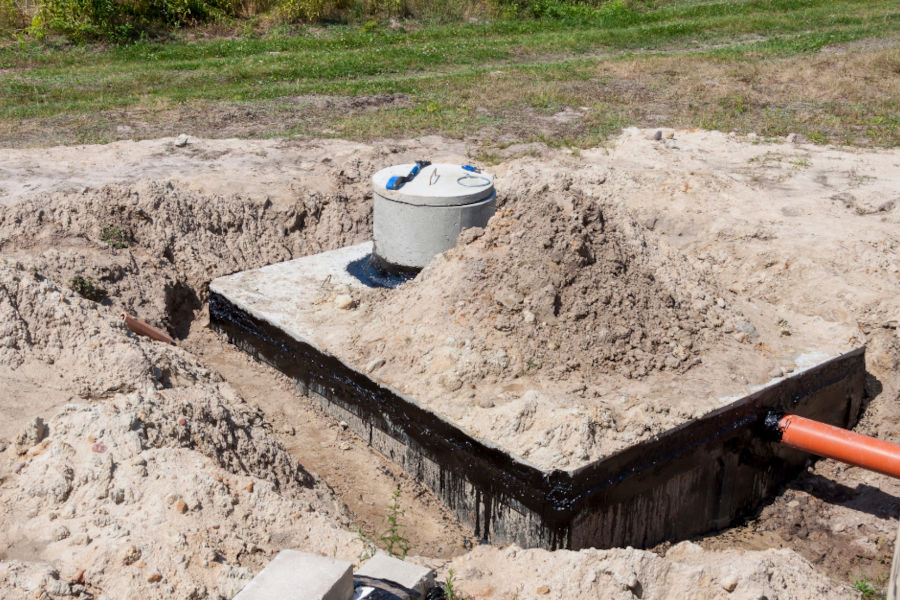
If complete removal is selected, excavation equipment is used to expose the structure. The crew can then remove it from the ground and prepare it for proper transport and disposal.

The handling method can depend on tank construction. Some materials may be broken down or scrapped where appropriate, while others may require transport to an approved disposal facility or landfill that accepts the material.

Professional septic removal requires the right equipment, site planning, and knowledge of how to dispose of materials responsibly.

5. Backfill and Restore the Area

After the structure is gone, it must be completely removed from the excavation area before proper backfilling and site restoration are completed.

The goal is to leave the property safe, stable, and ready for its intended future use. Depending on the project, restoration may include:

  • Backfilling the excavation
  • Compacting suitable material
  • Leveling the ground
  • Preparing the area for landscaping
  • Addressing applicable inspection requirements

The exact restoration plan depends on the property and what the homeowner intends to do with the area afterward.

Can You Remove a Septic Tank Yourself?

Although it may be physically possible to dig around an underground structure, septic removal is not a suitable DIY project.

The work can involve wastewater, unstable structures, heavy equipment, utility connections, excavation hazards, and local compliance requirements. Incorrect handling may also create unnecessary environmental or property risks.

A professional team can coordinate the major stages of the project, including:

  • Locating the old components
  • Evaluating site access
  • Pumping the tank
  • Handling wastewater and solid waste appropriately
  • Excavating the structure when required
  • Managing disposal
  • Backfilling and restoring the work area
  • Helping the project follow applicable local requirements

For homeowners comparing inspections septic services and removal options, choosing a company with both inspection and field experience can make the process more straightforward.

Septic Removal or Tank Abandonment: Which Option Is Better?

The right answer depends on your property.

Full Removal May Be Better When:

  • You plan to build over or near the existing area
  • The tank is structurally damaged
  • The location interferes with redevelopment
  • Complete excavation is required for the project
  • You want the old structure physically gone from the property

Tank Abandonment May Be Considered When:

  • An approved decommissioning method is available
  • The old structure does not interfere with future property plans
  • Site access makes full excavation difficult
  • Local requirements allow an alternative approach

Can you remove a septic tank instead of abandoning it? Yes, and in some situations, complete removal may provide greater flexibility for future use of the property. The decision should be based on the site, future plans, and applicable county requirements rather than cost alone.

Local Septic and Sewer Experience Matters

Properties across Pierce County, Thurston County, and South King County vary widely. A rural property in Graham may have very different access conditions from a home in Puyallup, Tacoma, Auburn, Maple Valley, Olympia, or Lacey.

Soil, slopes, landscaping, equipment access, older system layouts, and proximity to structures can all affect a removal project.

Our team provides residential and commercial septic and sewer services, including septic inspections, pumping, repairs, installations, drain field services, sewer installation and repair, and storm water management.

Frequently Asked Questions About Septic Tank Removal

Can you remove a septic tank after connecting to public sewer?

Yes. Once a property transitions from an onsite wastewater system to public sewer, the old equipment may need to be properly decommissioned or removed according to applicable requirements.

How long does a removal project take?

The timeline depends on tank size, material, depth, site access, ground conditions, permits, inspections, and restoration needs. A site evaluation provides a more realistic timeline for a specific property.

Can an old tank simply be left underground?

An unused tank should not simply be ignored. The appropriate solution depends on its condition, location, and applicable requirements. Professional evaluation can determine whether full removal or approved decommissioning is appropriate.

What happens to the old tank after removal?

The structure is transported and handled according to its material and applicable disposal requirements. Wastewater, sludge, contaminated material, and structural components may require different handling methods.

Should I schedule an inspection before deciding?

Yes. An inspection can help establish the location and condition of the existing components and identify practical options. This is especially useful for older properties or homes with limited records.

Choose All Septic & Sewer for Professional Local Service

Can you remove a septic tank safely and prepare the property for its next use? Yes, with the right planning, equipment, and experienced team.

All Septic & Sewer is a locally owned and operated company serving homeowners and businesses throughout Pierce County, Thurston County, and South King County. Our team brings decades of combined hands-on industry experience and a commitment to clear communication, honest recommendations, and dependable workmanship.

Whether you are dealing with an abandoned septic structure, preparing to connect to sewer, planning property improvements, or simply trying to understand what is underground, we can help you determine the right next step.

Contact us today for more information, and follow us on Facebook.

Contact Our Team

Recent Posts

Archives
Categories