


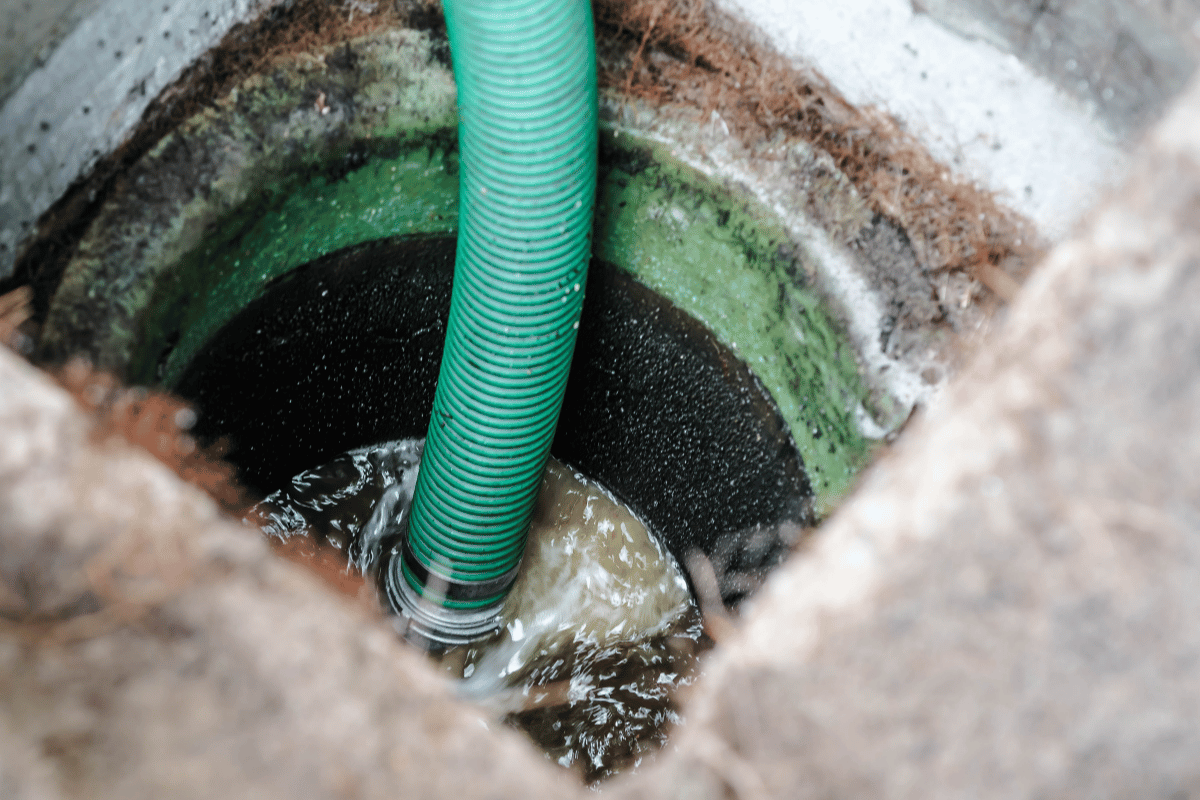
If you have noticed standing water near your septic tank, unpleasant odors, slow drains, or sewage backing up into your home, you may be asking, why is my septic tank overflowing? An overflowing septic tank is more than an inconvenience. It can indicate a full tank, blocked pipes, excessive water use, or a failing drain field.
For homeowners throughout King County, Pierce County, and Thurston County, septic problems can become more noticeable during periods of heavy rain or increased household water use. The important thing is to act quickly. Continuing to use large amounts of water when the septic system is already struggling can make the problem worse.
At All Septic & Sewer, we help homeowners and businesses identify septic problems and determine the right solution. From septic tank pumping and inspections to system repairs and drain field services, our team focuses on practical solutions that protect your property and support long-term system performance.
Why Is My Septic Tank Overflowing Suddenly?
The short answer is that wastewater is entering the septic tank faster than the system can process or discharge it. This may happen because the tank is full, the outlet is blocked, the drain field is saturated, or a component of the septic system is damaged.
A septic tank is designed to receive wastewater from your home. Solid waste settles in the tank, while liquid wastewater moves toward the drainage field for treatment and dispersal. When this process is interrupted, the tank may fill beyond its normal operating level.
Common reasons for an overflowing septic tank include:
- Excessive sludge and solid waste buildup
- Delayed septic tank emptying
- Blocked or damaged pipes
- Drain field saturation
- Heavy rainfall and poor property drainage
- Excessive household water use
- Tree root intrusion
- Materials being introduced that are detrimental to the septic system
- Damaged septic components or system failure
Because several problems can produce similar symptoms, a professional inspection is often necessary to determine the actual cause.
Is the Septic Tank Full and Due for Pumping?
One of the most common answers to why is my septic tank overflowing is simple: the tank has not been pumped recently enough.
Every septic tank collects solid waste and sludge over time. These materials do not disappear completely through the natural treatment process. As the sludge level rises, the tank has less room to manage incoming wastewater.
Eventually, a neglected waste tank may become too full to operate correctly. This can cause slow drainage, backups, odors, or wastewater surfacing around the tank or drain field.
Signs Your Tank May Need Emptying
Watch for warning signs such as:
- Toilets flushing slowly
- Gurgling sounds from a toilet or drain
- Multiple slow drains inside the home
- Unpleasant septic odors
- Standing water near the septic tank
- Wet or unusually green areas over the drain field
- Sewage backing up through plumbing fixtures
Regular tank emptying helps remove accumulated sludge before it creates obstructions or reaches components that should remain clear.
Can a Clogged Pipe Cause an Overflowing Septic Tank?
Yes. A blockage in the inlet or outlet pipes can interfere with the normal movement of waste and water through the septic system.
The inlet pipe carries wastewater from the home into the tank. The outlet pipe allows treated liquid to move from the tank toward the drain field. When either path becomes restricted, wastewater may back up or cause the tank to operate incorrectly.
Possible causes of pipe obstructions include grease, non-flushable products, solid waste accumulation, damaged lines, and tree roots. A professional septic inspection can help locate the blockage and determine whether cleaning, repair, or pipe replacement is required.
How Does the Drain Field Cause Septic Overflow?
The drain field plays a major role in the operation of the entire septic system. After wastewater is separated inside the septic tank, liquid effluent moves into the drain field, where it is dispersed and treated through the soil.
If the drainage field cannot accept additional wastewater, the liquid has nowhere to go. This can cause the system to back up and may lead to an overflowing septic problem.
Common Drain Field Problems
A drain field may struggle because of:
- Saturated soil after prolonged rainfall
- Excessive household water use
- Clogged distribution pipes
- Soil compaction from vehicles or heavy equipment
- Tree root damage
- Excessive solid waste reaching the field
- Age-related deterioration
- Poor drainage around the property
A failing drain field does not automatically mean that the entire septic system must be replaced. Depending on the condition of the system, professional repair or rehabilitation may be possible.
Can Heavy Rain Make a Septic Tank Overflow?
Washington properties regularly deal with wet weather, making this an important concern for septic owners throughout King, Pierce, and Thurston Counties.
Heavy rain can saturate the soil surrounding a drain field. When the ground is already holding excessive water, the field may not be able to absorb and disperse additional wastewater efficiently. As a result, wastewater can move slowly through the system or back up toward the tank.
If you are wondering, why is my septic tank overflowing after several days of rain, a saturated drain field may be part of the problem.
During extremely wet conditions, homeowners should reduce unnecessary water use when possible. Spacing out laundry loads, repairing leaking fixtures, and avoiding unusually high water consumption can reduce pressure on a struggling septic system.
What Should I Do When My Septic Tank Overflows?
When tank overflows occur, quick action can help reduce property damage and sanitation risks.
Take These Immediate Steps
- Reduce water use throughout the home.
- Avoid running multiple loads of laundry or using large amounts of water.
- Do not enter or touch areas contaminated by sewage.
- Keep children and pets away from affected outdoor areas.
- Avoid driving or parking over the septic tank or drain field.
- Call a professional septic company for an inspection.
- Do not assume that pumping alone will solve every overflow problem.
The last point is important. Septic tank pumping may be necessary when the tank is full, but repeated overflow after pumping can indicate another issue. Damaged pipes, a saturated drainage field, or another septic system problem may require additional diagnosis and repair.
Can Too Much Water Overload a Septic System?
Yes. Every septic system is designed to manage a certain amount of wastewater. Large amounts of water entering the tank within a short period can interfere with the normal treatment process.
Common sources of excessive water include multiple laundry loads in one day, leaking toilets, dripping plumbing fixtures, long periods of heavy household use, and water entering the septic area because of poor drainage.
Water conservation does not mean avoiding normal household activities. Instead, spread high-use activities throughout the week and repair leaks promptly. This gives the tank and drain field time to process wastewater efficiently.
How Can I Prevent an Overflowing Septic System?
If you have already asked, why is my septic tank overflowing, you will probably want to prevent the problem from happening again. Consistent maintenance is one of the best ways to protect the tank, pipes, and drain field.
A practical septic maintenance plan should include:
- Schedule septic pumping based on tank size and household usage.
- Arrange professional inspections to identify developing problems.
- Keep maintenance and pumping records.
- Repair leaking toilets and plumbing fixtures.
- Avoid flushing wipes and other non-flushable materials.
- Keep grease, harsh chemicals, and inappropriate waste out of drains.
- Protect the drain field from vehicles and heavy equipment.
- Direct excess stormwater away from the septic area.
- Contact a professional when several drains become slow at the same time.
Routine care can help extend system life and reduce the likelihood of unexpected septic emergencies.
Why Professional Diagnosis Matters for Septic Emergencies
An overflowing septic tank can have several possible causes, and treating the wrong problem can lead to repeated service calls and unnecessary costs.
For example, tank emptying may solve a problem caused by excess sludge. However, pumping will not repair a broken pipe or restore a drain field that cannot accept wastewater. Similarly, toilet servicing may fix an isolated toilet issue, but it will not solve a whole-house septic backup.
A professional septic technician can evaluate the tank, system components, pipes, and drain field to determine where the problem is occurring. That makes it easier to recommend a practical solution based on the actual condition of the system.
Why Is My Septic Tank Overflowing Even After Pumping?
If you are still asking, why is my septic tank overflowing after the tank has been emptied, the issue may be elsewhere in the septic system.
Possible causes include a damaged outlet pipe, a clogged line, groundwater entering the system, a saturated drain field, or another system failure. When an emptied tank fills unusually quickly, professional diagnosis is important.
Repeated pumping without identifying the underlying problem may only provide temporary relief. A complete inspection can help determine whether the system needs cleaning, repair, drainage improvement, or more extensive septic work.
Local Septic Help in King, Pierce, and Thurston Counties
When you are dealing with septic overflow, wastewater backup, slow drains, or a saturated drain field, waiting can allow the problem to become more serious.
All Septic & Sewer provides septic and sewer services for residential and commercial properties throughout King County, Pierce County, and Thurston County. Our services include septic tank pumping and inspection, septic system repairs, septic system installation, drain field services and repairs, sewer system installation and repair, and storm water management.
As a veteran-owned company with extensive experience in septic and sewer work, we focus on clear communication, dependable service, and practical solutions for long-term system performance.
Get Help With an Overflowing Septic Tank
So, why is my septic tank overflowing? The cause could be a full tank, blocked pipes, excessive water use, heavy rainfall, or a drain field problem. The only reliable way to know is to have the septic system properly evaluated.
If you notice standing water, sewage odors, slow drains, toilet backups, or other signs of septic trouble, contact All Septic & Sewer. Our team serves homeowners and businesses across King, Pierce, and Thurston Counties with professional septic inspection, pumping, repair, installation, and drain field services.
Addressing the problem early can help protect your home, reduce damage, and keep your septic system operating safely and efficiently.