


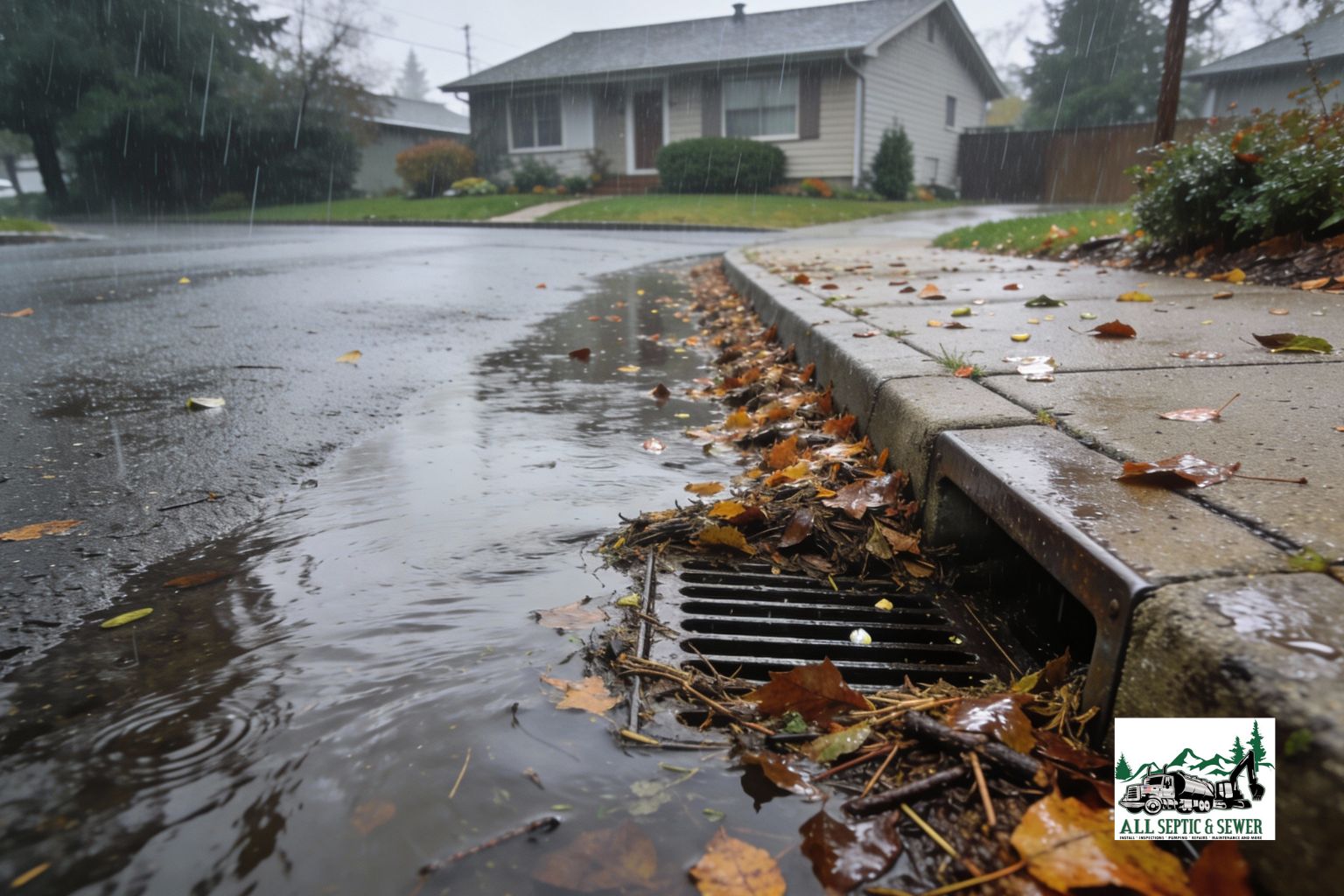
When heavy rain hits, drainage systems become the first line of defense against flooding. Yet in many communities, outdated or undersized systems cannot handle growing rainfall intensity, leaving yards, streets, and basements underwater. This is where storm water management plays a critical role, not just as an engineering concept, but as a practical, sustainable way to protect homes, public infrastructure, and the environment.
All Septic & Sewer explains how proactive storm water management can help homeowners reduce flooding, protect foundations, and keep excess water flowing where it belongs. Drawing on years of experience with septic, sewer, and drainage systems, their team helps identify problem areas on a property and recommend practical solutions that keep everything moving smoothly while supporting the long-term health of the surrounding environment.
Why Poor Drainage Systems Fail
Traditional drainage systems were designed decades ago for smaller, less frequent storms. As weather patterns shift and urban areas expand, these systems face enormous pressure. Concrete and asphalt prevent water from soaking into the ground, forcing it to run off into storm drains. When pipes and culverts reach capacity, the excess water backs up, causing flash floods and property damage.
Another common issue is maintenance. Debris, sediment, and leaves can clog catch basins and drains, reducing flow efficiency. Without regular upkeep, even an advanced system can fail during a heavy storm. Municipal projects focused on storm water management aim to address these problems through more innovative design, proactive maintenance, and green infrastructure solutions.
How Better Drainage Protects Homes and Neighborhoods
Modern storm water management focuses on slowing, capturing, and filtering runoff rather than simply diverting it. Solutions often combine traditional engineering with natural strategies:
- Permeable surfaces, such as porous concrete or pavers, allow rainwater to infiltrate into the ground, easing pressure on drainage networks.
- Rain gardens and bioswales capture runoff in landscaped areas where plants and soil naturally filter pollutants.
- Retention and detention basins temporarily hold storm water and release it slowly to prevent downstream flooding.
- Green roofs and urban trees absorb rainfall, enhance overall watershed health, and improve air quality.
These upgrades do not just reduce flooding; they improve water quality, restore groundwater levels, and make neighborhoods more resilient. Communities that invest in modern drainage systems often see fewer repair costs, improved property values, and a stronger sense of environmental responsibility.
Taking Action in Your Community
Homeowners and community leaders can take practical steps to improve drainage and reduce flood risks. Start by keeping gutters and drains clear of debris and using rain barrels to collect runoff for later use. Consider landscaping with native plants that effectively absorb and filter water. On a larger scale, advocate for municipal investment in storm water management upgrades and green infrastructure projects.
By viewing storm water not as a nuisance but as a resource to be managed wisely, cities can reduce flooding, protect infrastructure, and create greener, more livable spaces. With thoughtful planning and steady investment, better drainage can turn storm season from a source of anxiety into a model of resilience.
At All Septic & Sewer, a veteran-owned company serving Pierce, Thurston, and King Counties, the team helps homeowners protect their properties with expert inspections, maintenance, and drainage solutions tailored to local conditions.
If you are ready to reduce flooding around your home and improve how storm water is managed on your property, contact All Septic & Sewer for guidance and service you can rely on.